

Golden Square Plast
Turning Plastic WasteInto Industrial Value.
High-quality recycled plastic granules engineered for modern manufacturing.
PP • HDPE• LDPE• LLDPE
Waste → Recycling→ Granules→ New products
The Company
A materials manufacturer that happens to start with waste.
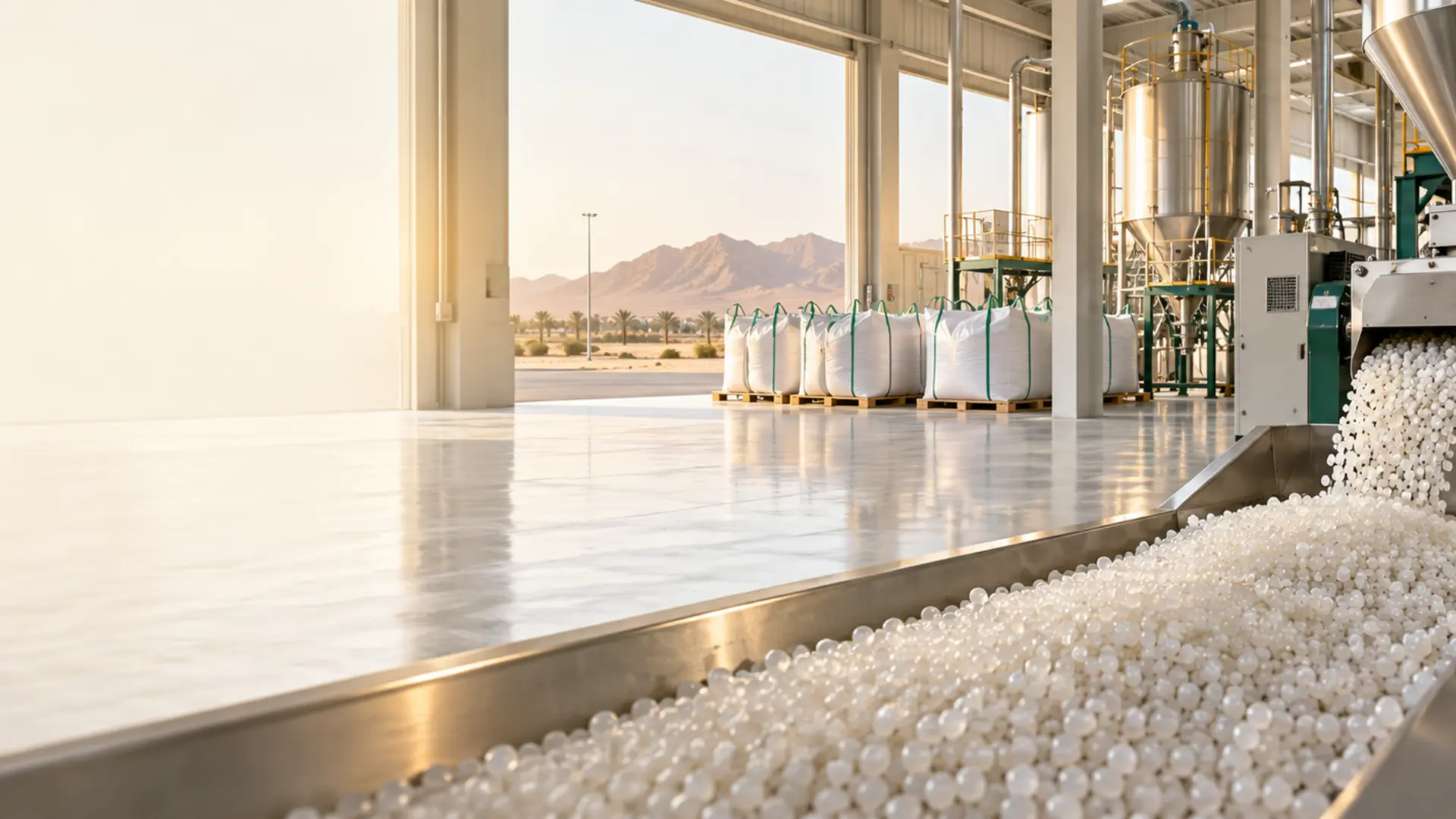
Golden Square Plast is a UAE-based plastic recycling and recycled granules manufacturer. We take post-industrial and post-consumer plastic and return it to the production line as a graded raw material that moulders and extruders can run with confidence.
Recycled plastic is only useful to a factory when it behaves predictably. That is the whole job: sorting, cleaning and grading material so that a raffia line, a drum moulder and a film converter each receive something matched to their process — not a single undifferentiated commodity stream.
About Golden Square PlastMaterials
Three polymer families. Fifteen graded materials.
Every grade is separated by the process it has to survive — because the material that makes a good woven sack is not the material that makes a good two-hundred-litre drum.
 01
01Polypropylene
PP
Durable and lightweight recycled polypropylene materials engineered for injection moulding, raffia, packaging and industrial applications.
6 grades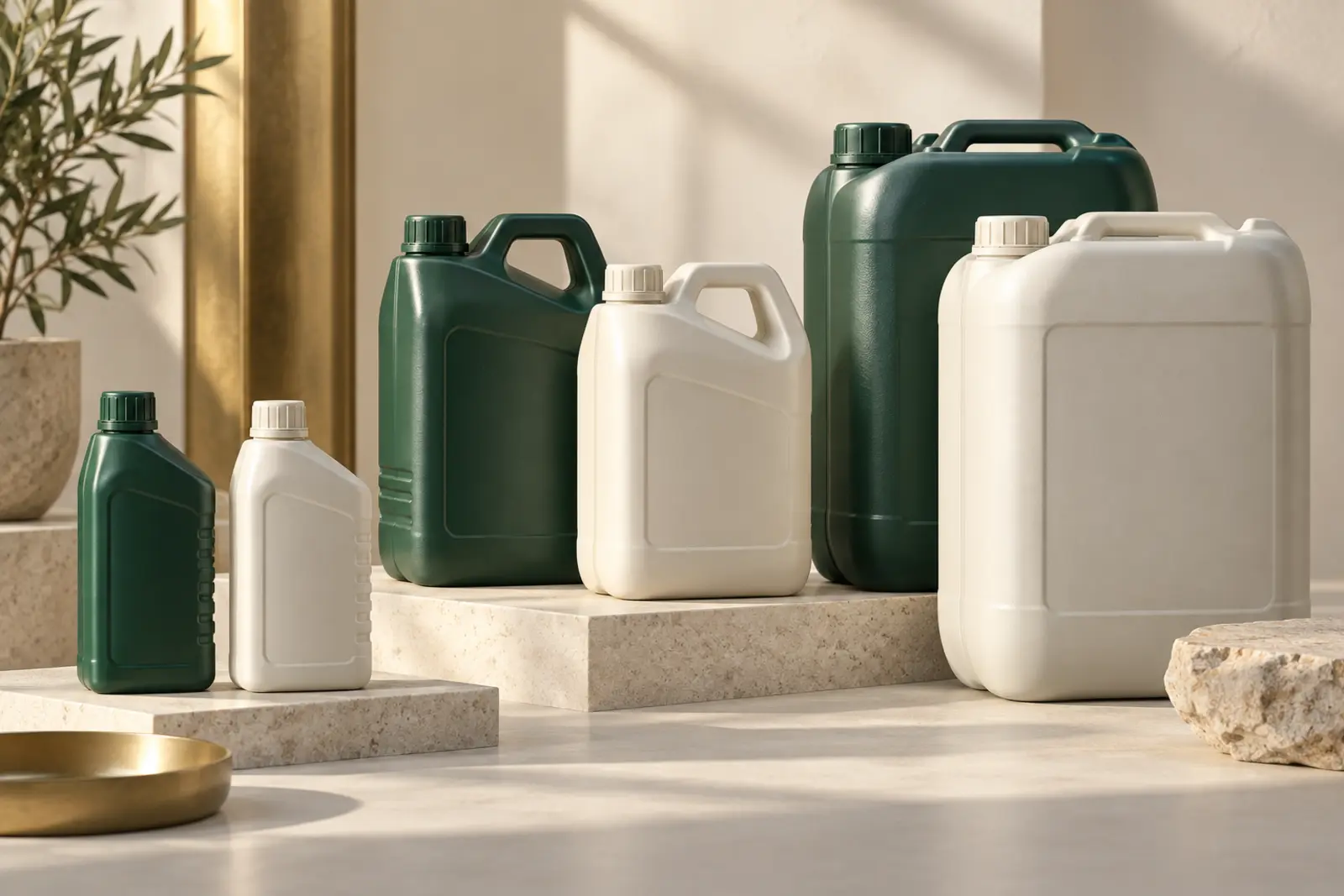 02
02High Density Polyethylene
HDPE
Strong and durable recycled HDPE materials designed for blow moulding, extrusion and injection moulding applications.
6 grades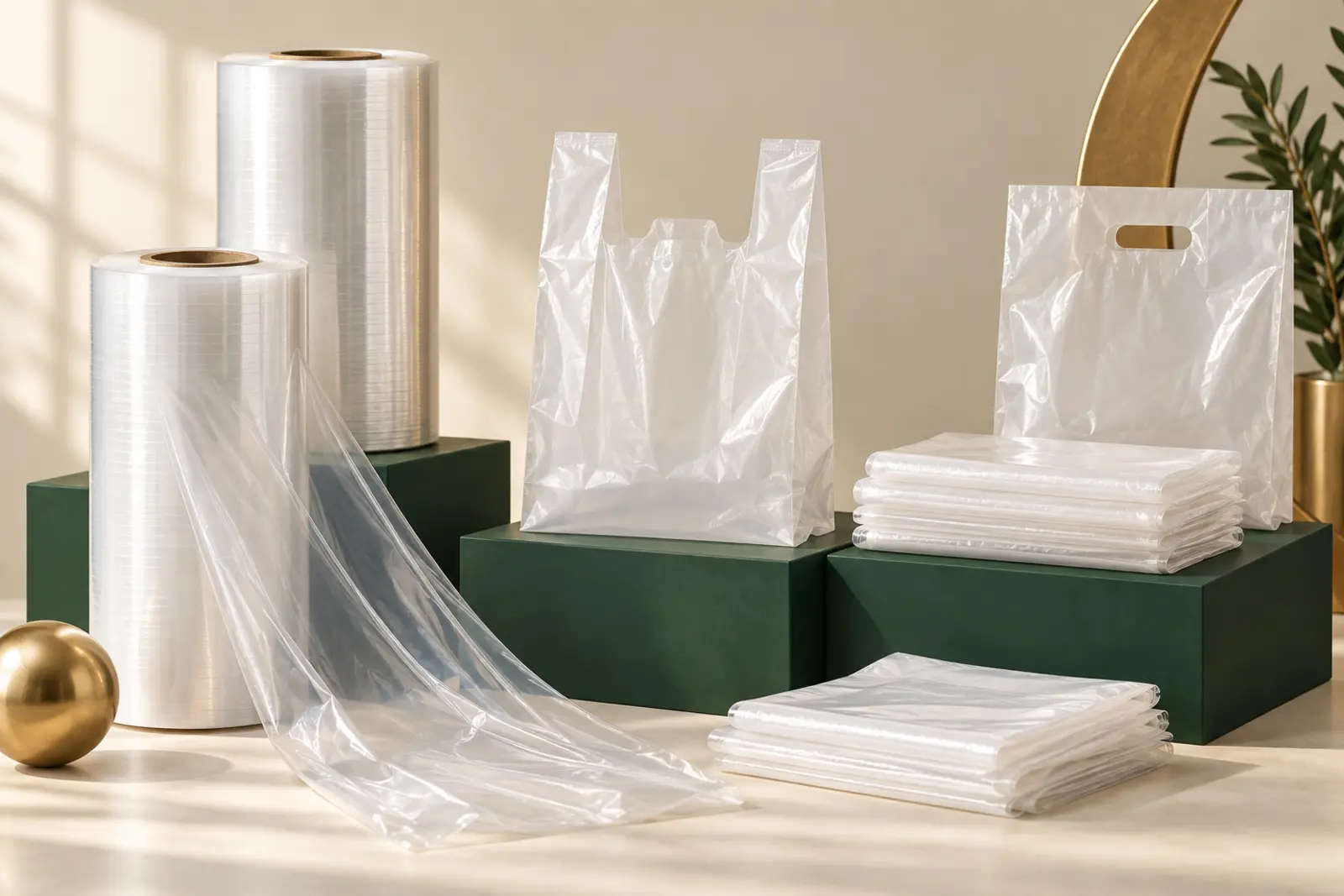 03
03Low / Linear Low Density Polyethylene
LDPE / LLDPE
Flexible recycled polyethylene materials for blown film, stretch and shrink film, and soft injection moulded parts.
3 gradesFrom Waste to Value
Nine stages between discarded plastic and a graded raw material.
Each stage narrows variability. What arrives as mixed waste leaves as a material a moulder can dose, melt and run to a predictable window.
- 01
Plastic Waste
Post-industrial and post-consumer plastic arrives for intake.
- 02
Sorting
Material is separated by polymer type and stream.
- 03
Processing
Sorted material is size-reduced and prepared.
- 04
Cleaning
Contaminants are washed out of the material stream.
- 05
Recycling
Clean material is melted and homogenised.
- 06
Granulation
Melt is pelletised into uniform granules.
- 07
Quality Control
Batches are inspected before release.
- 08
Recycled Granules
Finished granules are packed for despatch.
- 09
New Industrial Products
Customers mould, blow and extrude new products.
Industries & Applications
Where the material ends up.
Recycled granules are an input, not an outcome. These are the sectors our materials are specified into, and the grades that serve each one.
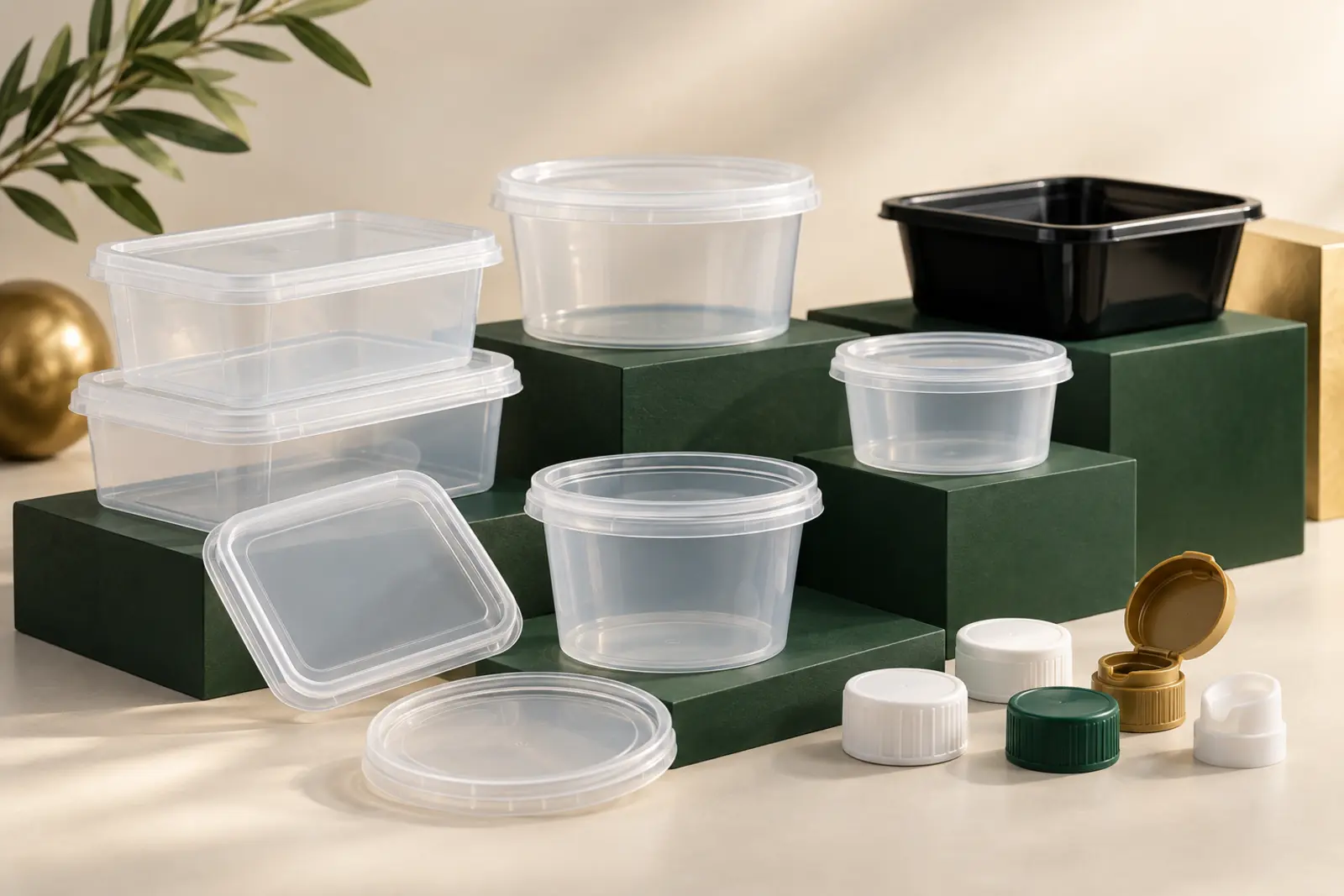 01PPHDPE
Packaging
Moulded packaging, lids and containers produced from consistent recycled stock.
 02HDPE
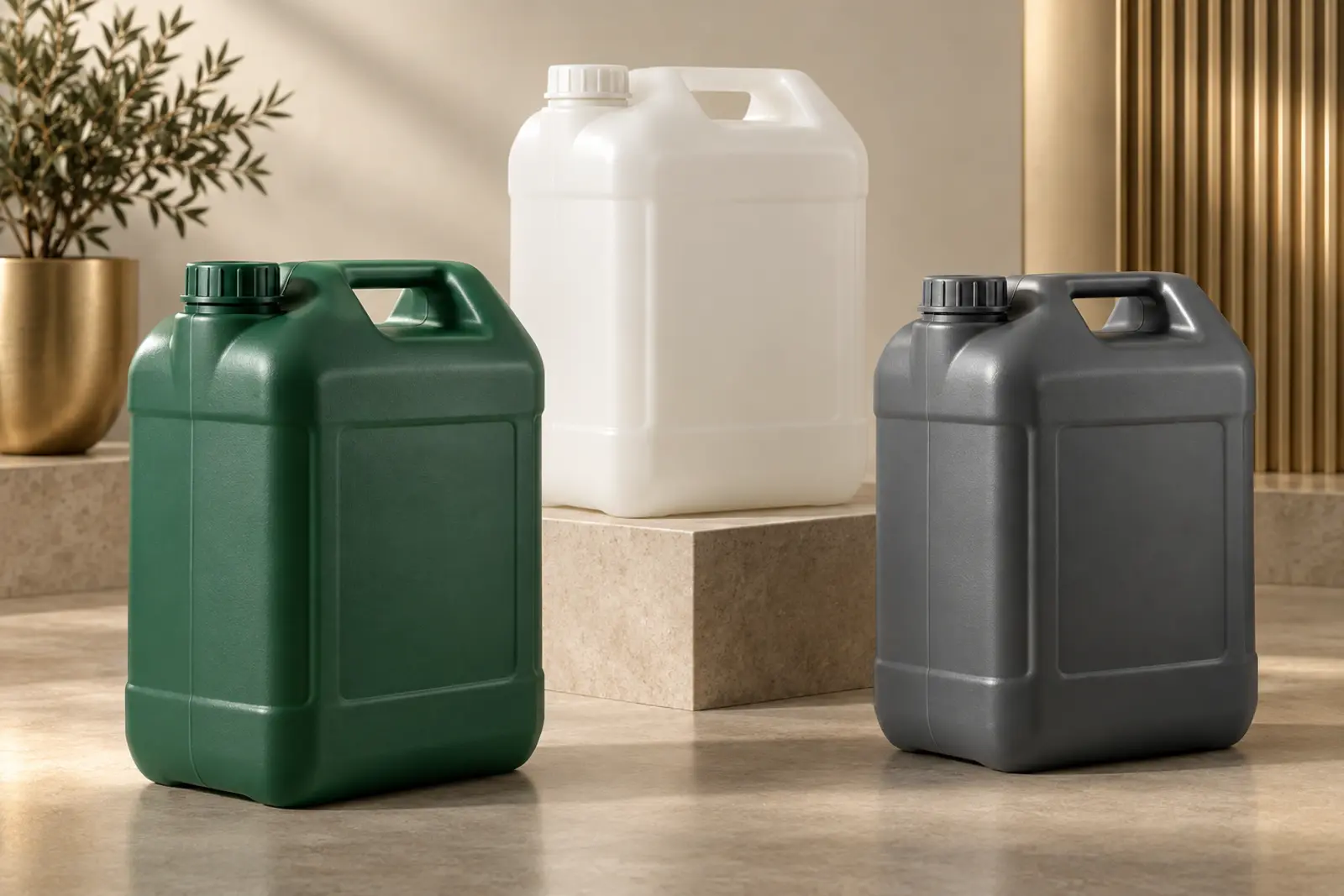
Industrial Containers
Jerrycans, drums and chemical packaging that must hold up in handling and transport.
 03PP
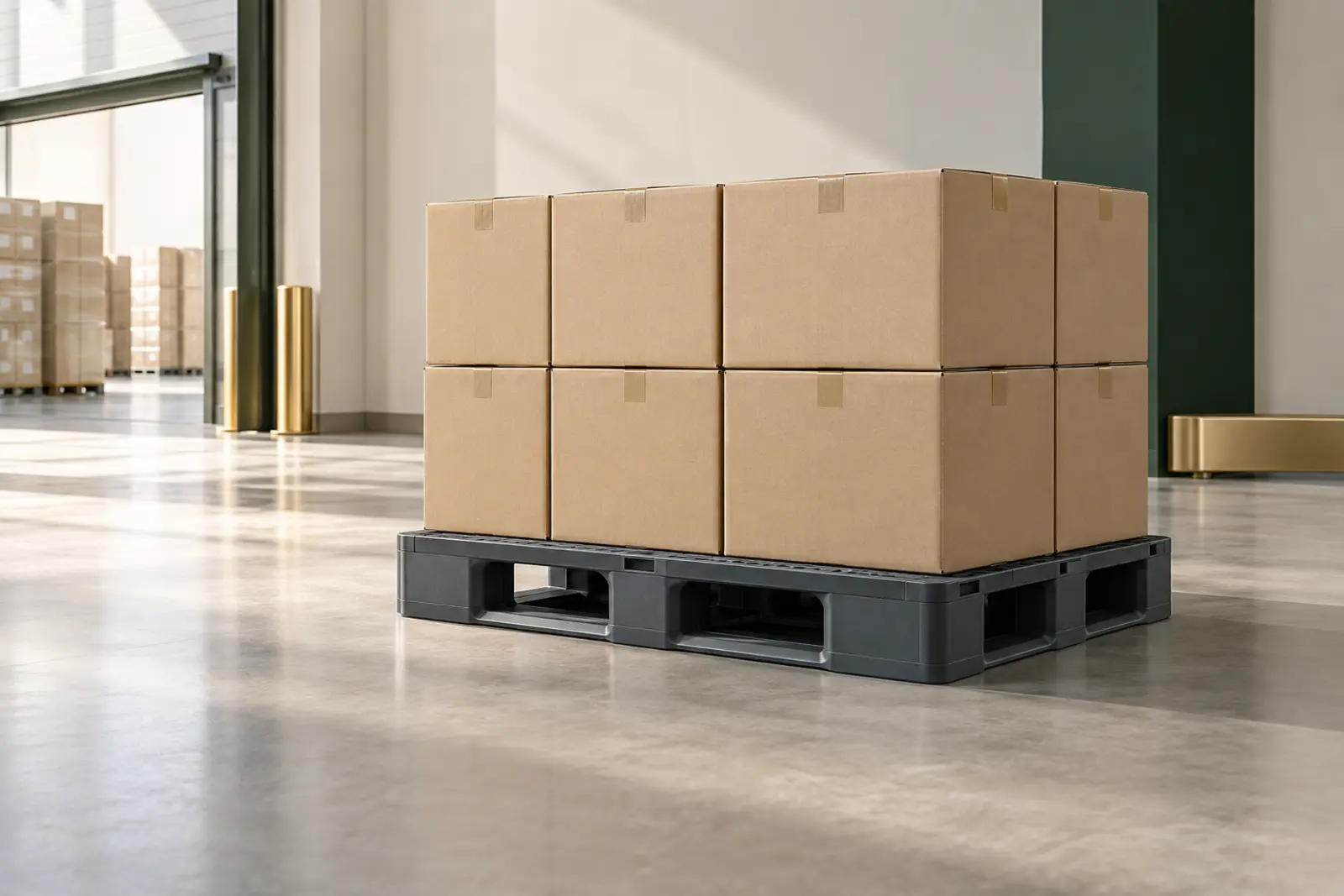
03PPPallets
Heavy-duty transport bases and storage products with long service lives.
 04PP
04PPCrates & Baskets
Reusable produce crates, baskets and industrial boxes built for stacking.
- 05PP
Furniture
Moulded seating and furniture components using tough recycled compounds.
 06PP
06PPConstruction Components
Site and building components where durability outweighs cosmetic requirements.
 07LLDPEHDPE
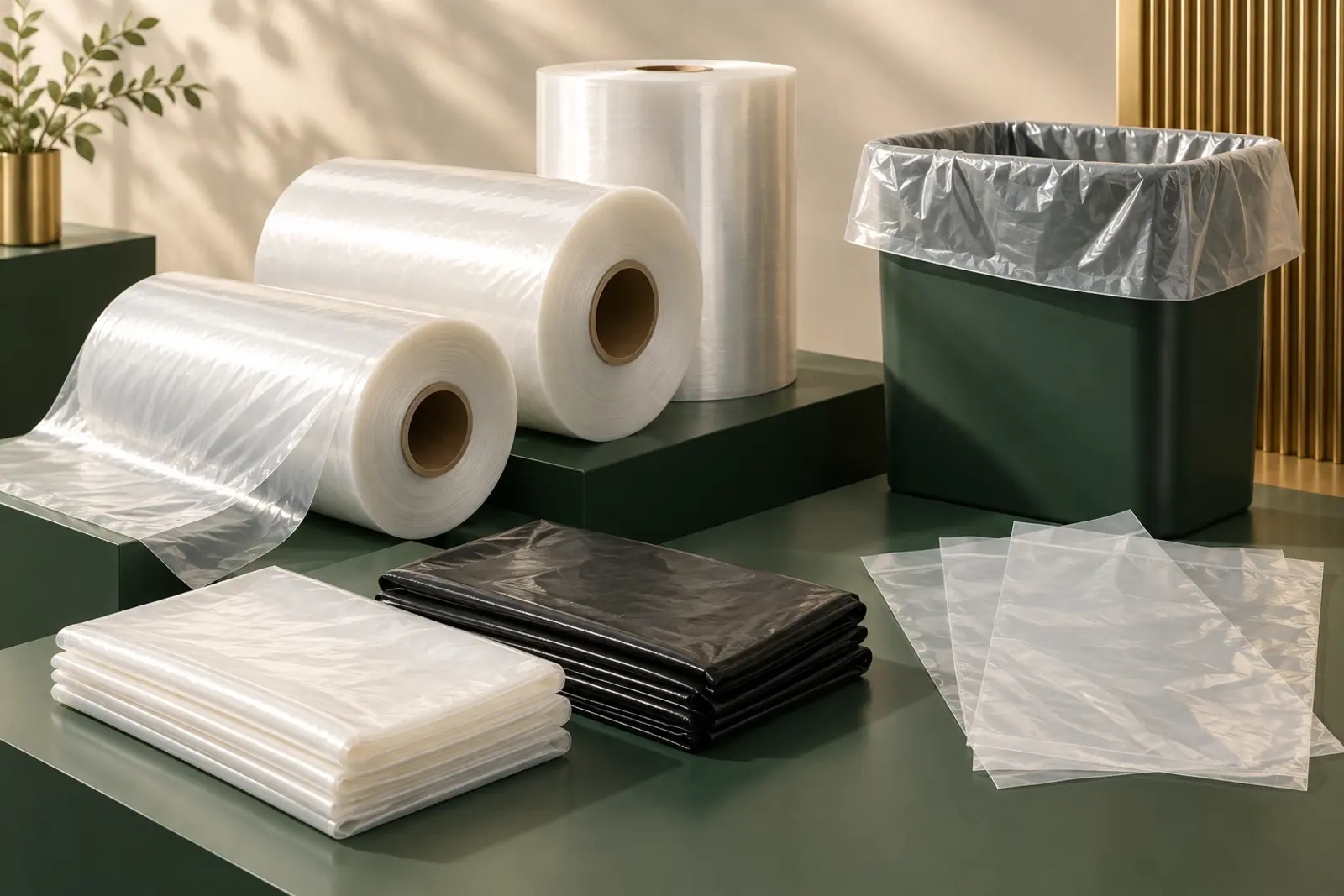
Film & Flexible Packaging
Stretch film, shrink film, liners and bags produced on blown film lines.
- 08PPHDPE
Household Products
Everyday moulded goods that need a stable, repeatable material supply.
 09HDPELLDPE
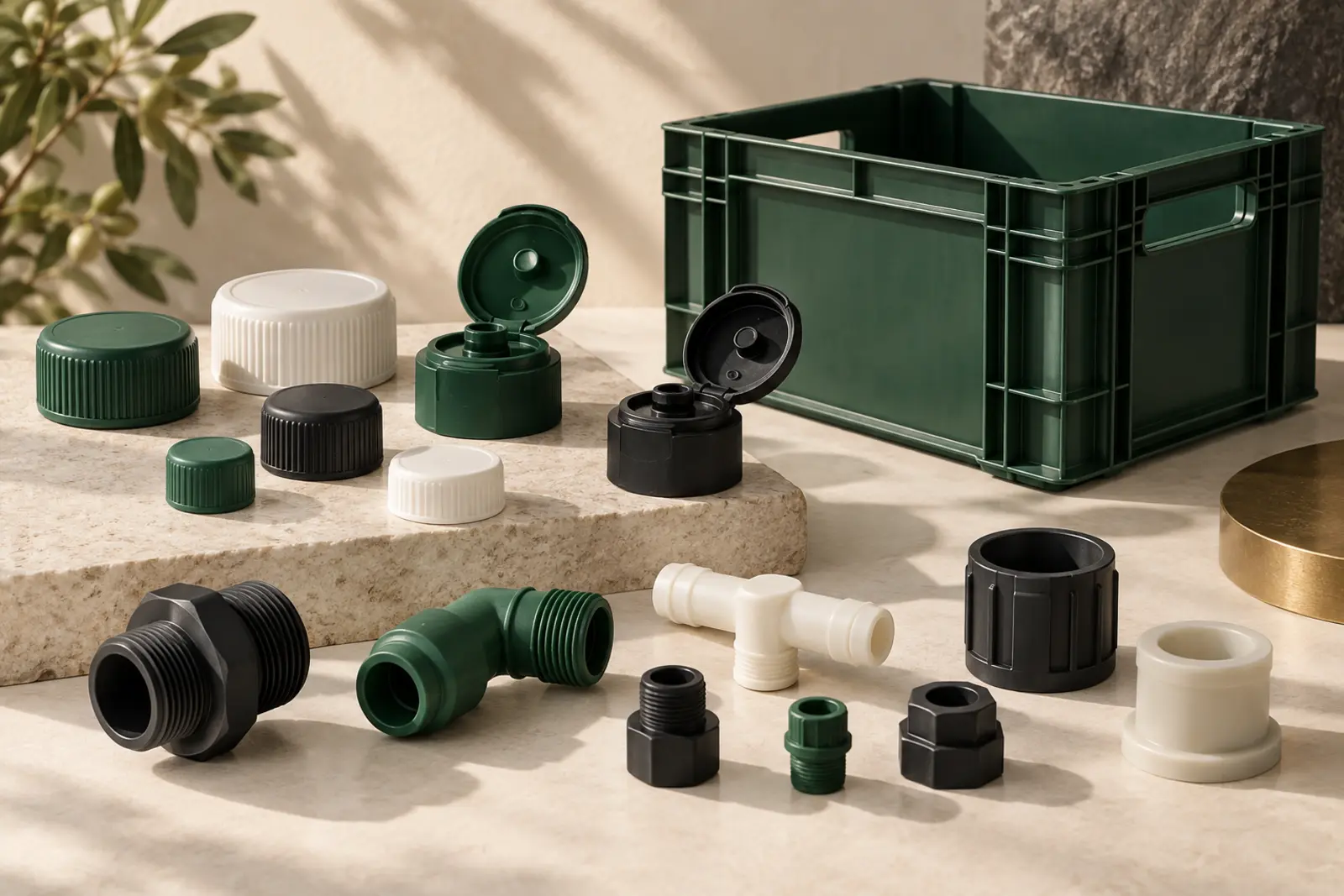
Industrial Components
Technical parts and closures requiring dimensional stability batch after batch.
Why Golden Square Plast
What a manufacturer actually needs from a recycler.
Not a promise of sustainability, but a material that runs. These are the commitments that decide whether recycled feedstock earns a place on a production line.
Graded, not commoditised
Recycled material is separated by end use before it leaves us. A raffia extruder and a drum moulder receive different grades, because their process windows are different.
Consistency across batches
The value of a recycled feedstock is that it behaves the same way next month. Batch control and inspection exist to protect that, not as paperwork.
A material partner, not a trader
We work with manufacturers over production cycles rather than single shipments — understanding the process the material has to survive before we supply it.
Recycling as industry
Circularity only matters at industrial scale and industrial quality. Our aim is material good enough that choosing recycled is a technical decision, not a concession.
Sustainability
Closing the Loop.
A circular economy is not a slogan at industrial scale — it is a supply chain decision. Material that would have been discarded re-enters manufacturing as a graded input, and the products made from it extend the working life of the polymer by another cycle.
Our approach- 01Plastic wastePost-industrial offcuts and post-consumer packaging reach the end of their first life as material, not as rubbish.
- 02Recycled raw materialSorting, washing and granulation convert that waste into a graded feedstock with predictable processing behaviour.
- 03ManufacturingThe granules are moulded, extruded or blown on the same machines that run virgin polymer.
- 04New productCrates, containers, pallets, film and furniture enter service, made from material that had already been discarded once.
- 05Extended material lifecycleAt the end of that life the polymer can return to the same loop. Each cycle is another life the material did not need replacing for.
Manufacturing & Quality
Consistency is the product.
Anyone can granulate plastic. The difficulty — and the value — is producing material that behaves the same way in the next batch, and the one after that.
Material consistency
A grade has to behave the same way in the next batch as it did in the last. Input selection and homogenisation hold that line, because a moulder resets their process for every variation.
Colour consistency
Recycled colour drifts when input drifts. Sorting by colour upstream is what keeps a black or a grey within a recognisable tolerance from run to run.
Processing stability
Melt behaviour decides whether a line runs or stops. Stability is judged against the customer's actual method — raffia, blow, injection or film.
Mechanical performance
Strength, stiffness and impact resistance are matched to the end use, so a crate grade is not sold into a pallet application.
Batch control
Production is tracked by batch so material can be traced back and a customer's feedback tied to a specific run.
Quality inspection
Granules are inspected before release for particle uniformity, colour and visible contamination.
Material Color Range
Four finishes, produced from sorted recycled input.
Colour in recycled polymer comes from the input stream, not from a pigment added at the end. Availability therefore depends on the grade and on the production run — every colour below is offered on request and confirmed per order.
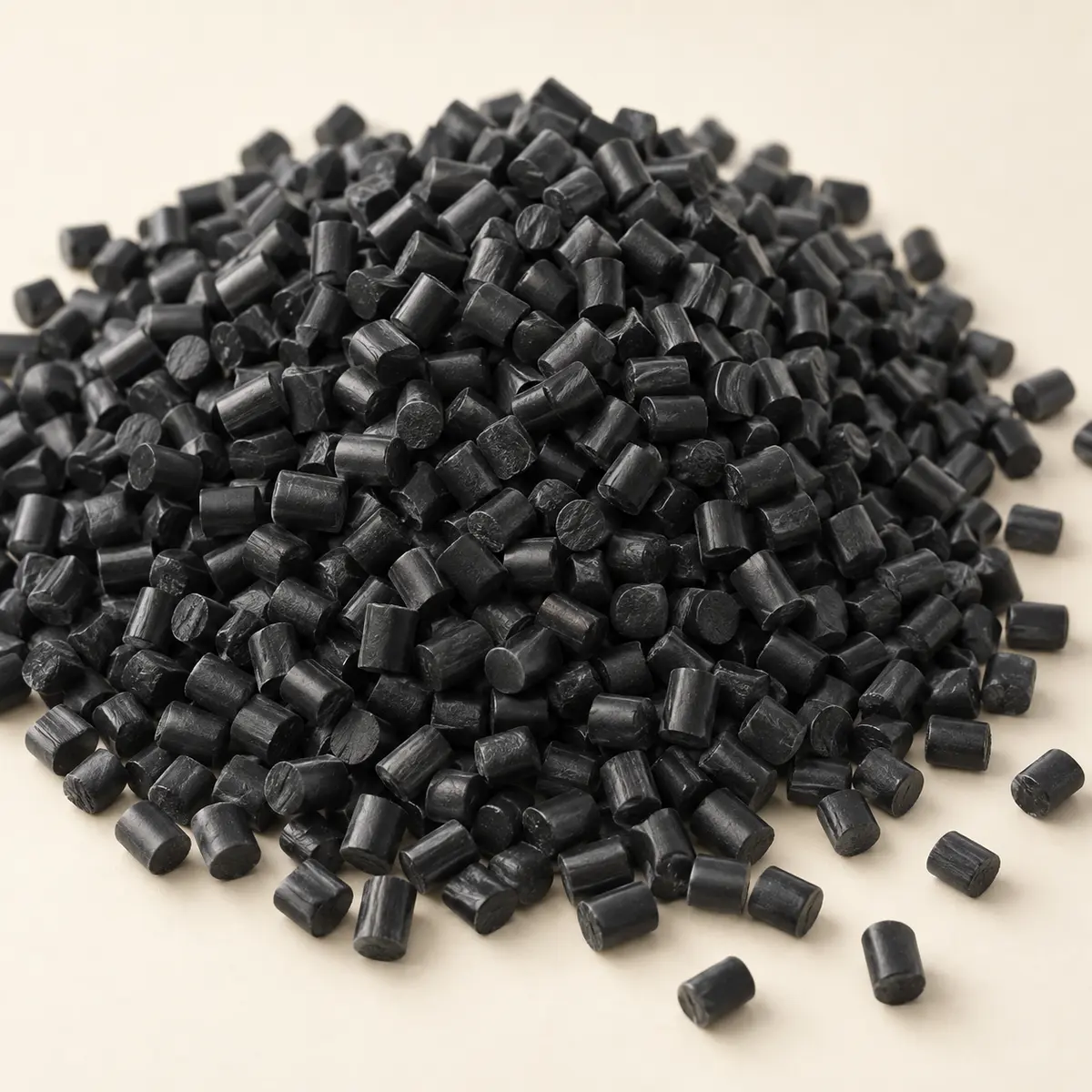
Consistent masterbatch-coloured recycled granules.
Colour availability depends on the material and the production run. Colours are offered as available or request-based options rather than guaranteed for every grade.
Request a Quote
Tell us what you manufacture.
Send the grade, colour and volume you need. We will come back with what we can supply against your process — and say so plainly where we cannot.